

Vertigo is more than feeling a little lightheaded. It is the sense that you, or the world around you, is moving when you are perfectly still. At Upper Cervical Chiropractic of Monmouth in Morganville, NJ, we look at the top of your neck, where your balance signals pass between your ears and your brain.
What is vertigo?
Vertigo is the uneasy sensation that the world around you is moving, or that you are spinning. Many people say they feel as though they are rocking, swaying or tilting while they are sitting or standing still. It often comes out of nowhere and lasts for short spells. Headaches, sweating and nausea are common along with it.
Vertigo itself is not a disease. It is a symptom of another condition, and common sources include:
- Neck or head injuries
- Benign paroxysmal positional vertigo (BPPV)
- Meniere's disease
- Inner ear problems
Is vertigo the same as dizziness?
Not quite. Everyone feels dizzy now and then. Stand up too quickly and you may feel lightheaded, unsteady or tired for a moment. That is unpleasant, but it passes. Vertigo is different. It is a true sense of movement in yourself or in the room around you, such as twirling, swaying or being pulled to one side, while you are completely still.
How the upper neck may be involved
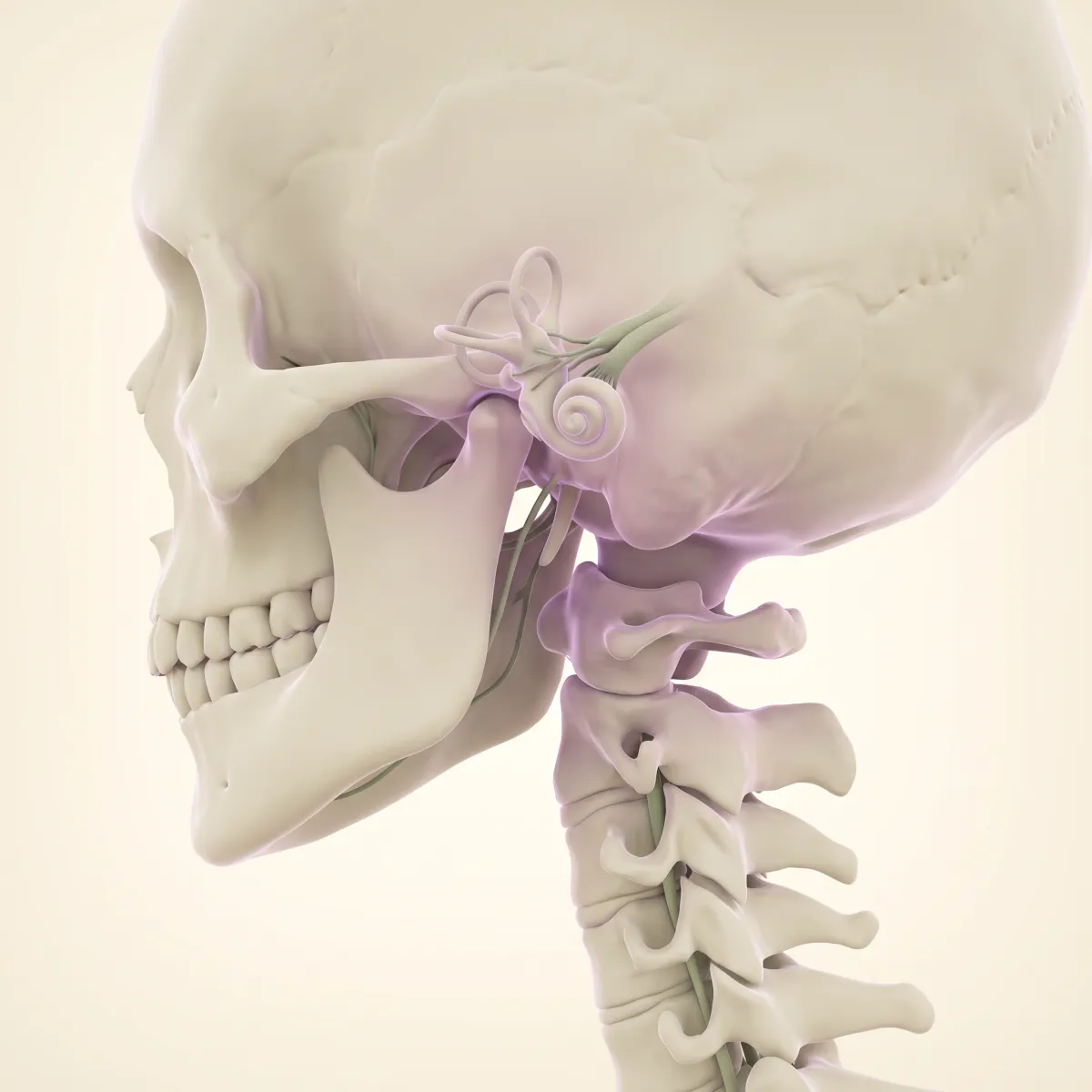
Your balance depends on clear communication between your inner ears, your eyes and your brain. Much of that traffic runs through the brainstem, which sits right above the top two bones of your neck, the atlas and axis.
Vertigo is commonly linked to problems in the inner ear, or to injuries to the neck or back that leave the upper cervical vertebrae misaligned. In some cases it traces back to an earlier trauma to the head and neck, such as a fall, a car accident or a sports injury. These injuries often affect more than the brain. They can throw the head, neck and spine out of alignment.
An upper cervical misalignment may affect the flow of cerebrospinal fluid and irritate delicate nerves and blood vessels that serve the head. That can lead to changes in the vestibular (balance) system, and to vertigo. Upper cervical care aims to relieve pressure on these central nervous system pathways so your brain and your balance organs can communicate clearly again.
How a QSM3 visit works for vertigo
QSM3 stands for Quantum Spinal Mechanics3. It uses X-rays and precise measurements to gently correct alignment, relax areas of stress and relieve pressure, so your body can do its own healing. Here is what that looks like in practice.
- Measure. We start with a conversation about your history and a careful exam. Laser-aligned X-rays, posture analysis, thermography and surface EMG show exactly how your head and neck sit.
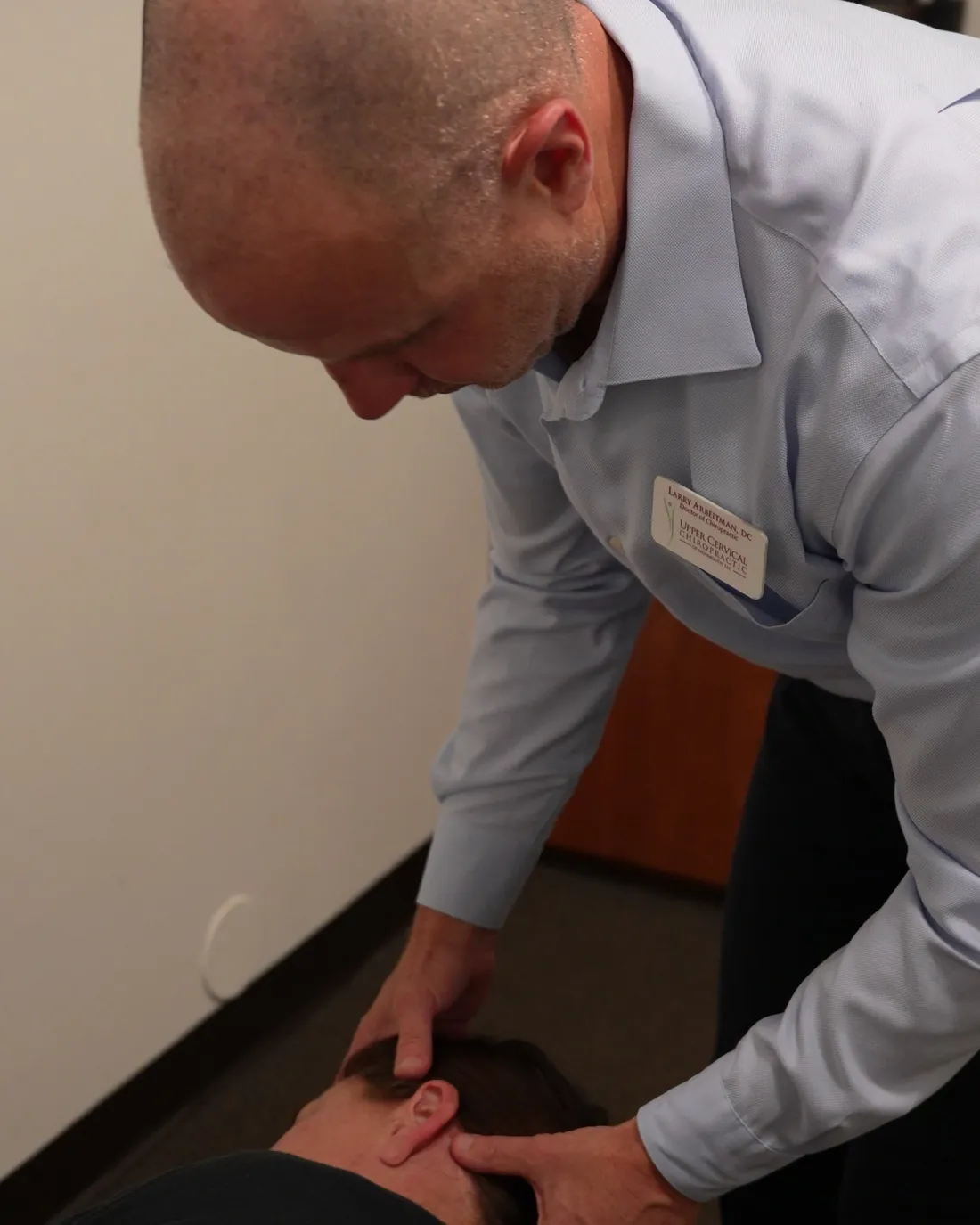
- Correct. Your doctor makes a gentle, precise correction at the top of the neck. There is no cracking, popping or twisting, which matters when your head already feels unsteady.
- Track. We re-check your alignment with the same measurements over time, so your care is guided by what we see, not guesswork.
What patients report
Patients who have received upper cervical care for vertigo have reported long-term relief, with fewer days of missed work and more time for family and the activities they enjoy. Many have also reported using less medication, which is always a decision to make with the doctor who prescribed it. Every person is different, and your doctor will tell you honestly what your measurements show.
Who this care may help
- People whose vertigo started after a fall, a car accident, whiplash or a sports injury
- People with spells of spinning or swaying that keep coming back
- People with Meniere's disease or inner ear problems who want the neck checked as well
- People who also live with neck pain, headaches or migraines
- Children, seniors and post-surgery patients who need a very gentle approach
When to see your doctor first
Some dizziness needs medical care right away. Call 911 or go to the emergency room if vertigo comes on suddenly and severely, or if it comes with numbness or weakness, trouble speaking, double vision, a severe headache or trouble walking. If your vertigo started after a head injury and your symptoms are getting worse, see a physician first. We are glad to work alongside your medical doctor or ENT.
Ready to find out whether your neck is part of the picture? Call or text 732-617-9355 to book a visit at our Morganville office.