
The QSM3 Technique
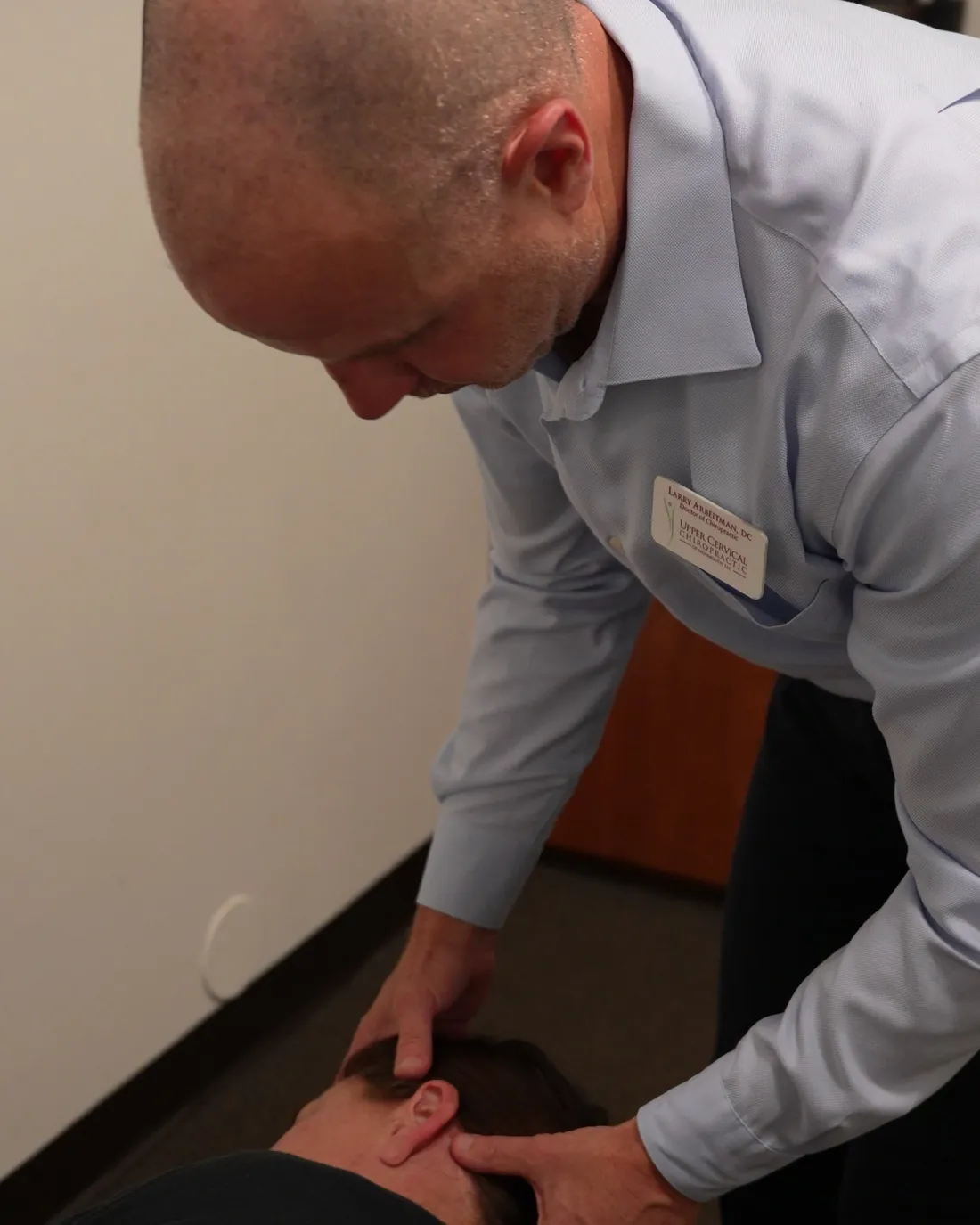
QSM3 is the gentle upper cervical technique our doctors have used in Morganville since 2005. A gentle touch and controlled contact on the first vertebra in the neck is designed to restore balance to the spine and nervous system, with no cracking, no popping and no twisting.
 1234
Small bone. Big influence.
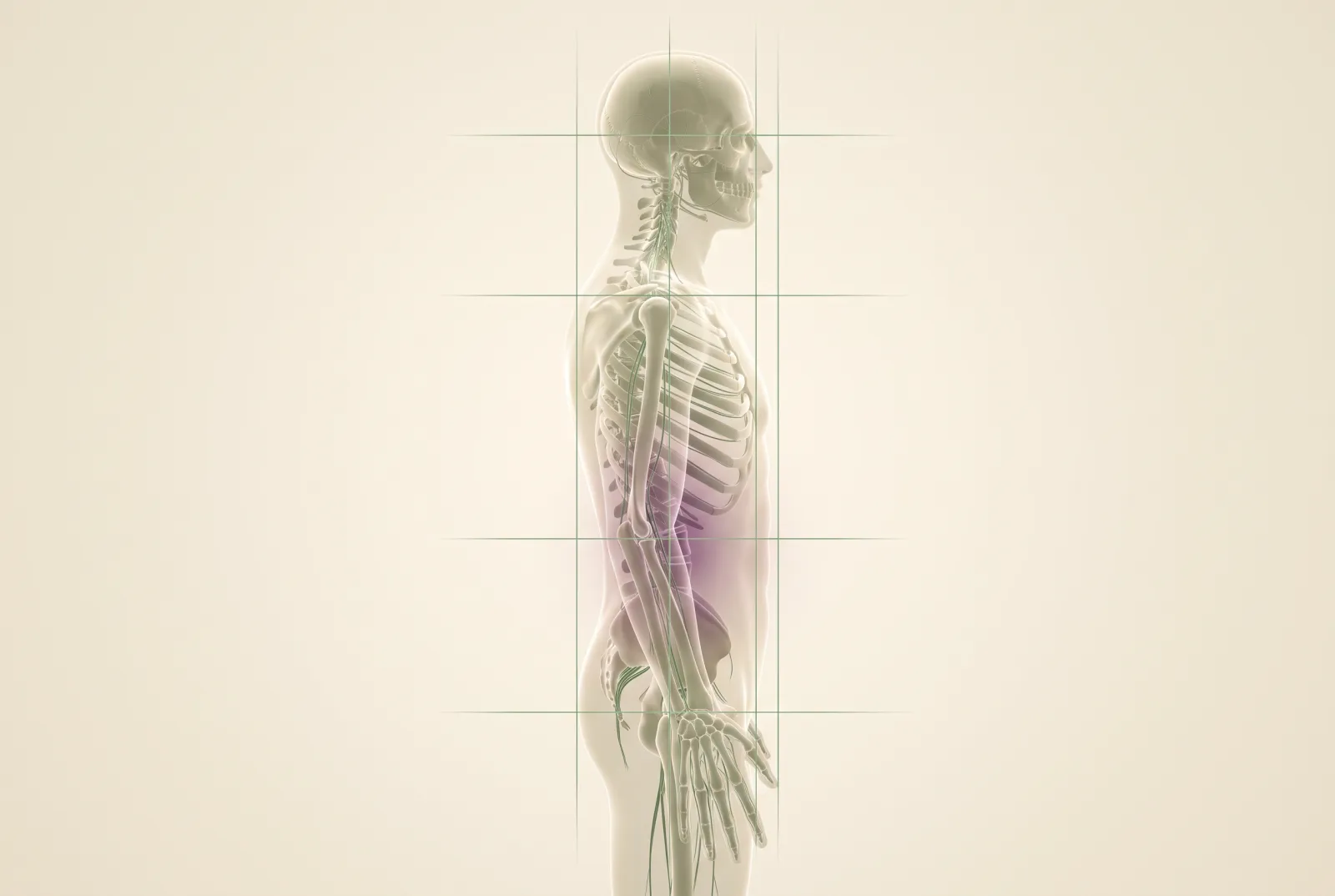
The C-1 vertebra, also known as the atlas, is a small donut-like bone at the top of the spine and the base of the skull. It surrounds the brain stem, one of the highest control centers of body balance and healing. When the spine is subjected to stress, it can become misaligned.
- 1
Base of the skull
Where the head rests on the spine.
- 2
Brainstem
One of the body's main control centers, passing down through the atlas.
- 3
Atlas (C1)
The small ring-shaped bone at the very top of the spine.
- 4
Axis (C2)
The bone just below, around which the head turns.

From a bone out of place to a body out of place.
QSM3 is based on clinical findings and current research in biomechanics. Instead of looking at one bone that is out of place, it measures postural distortion in three dimensions and works to release the tension that pulls the whole body out of balance. QSM3 calls this flow model “cause to correction.”
 1234
Your nerves have four primary jobs.
The nerves in the spinal column are very sensitive to pressure and stress. When the spine becomes misaligned enough to stress them, the flow of information between the brain and the body can be compromised.
- 1
Control and regulate
Vital functions, including circulation, breathing, immunity and digestion.
- 2
Activate muscles
Every movement you make starts with a signal from your nerves.
- 3
Sense and feel
Your nerves let you sense, perceive and feel. This is your life experience.
- 4
Relate to the world
Learning, emotions, experiences and behavior all run through your nervous system.
The technology behind every correction.
QSM3 spinal correction depends on precise mathematical calculations, physics and biomechanics. These tools show the doctor where the problem is, which way to correct it and whether the correction worked.
- Laser-aligned X-rays. The doctor takes pre and post-correction X-rays from three angles, focusing on the skull, atlas and spine. The first set shows the direction and degree of misalignment. The second verifies the correction.
- Minimal exposure. Every effort is made to keep X-ray exposure to a minimum, including state-of-the-art high frequency X-ray and various lead filters.
- Thermography and surface EMG. The Insight Millennium Subluxation Station uses painless surface sensors to measure nerve function. It shows where spinal problems are, how severe they are and how you progress during care.
Not your typical chiropractic visit.
A regular adjustment works for many people. Many others want a gentler approach that does not make an audible sound, or have conditions that respond better to less force.
The upper neck, where the skull meets the spine and surrounds the brain stem
Adjustments to certain areas of the body
A gentle touch and controlled contact on the first vertebra
May use popping or twisting movements
No cracking, no popping, no twisting
The well-known pop or crack is often part of care
Laser-aligned X-rays from three angles, plus thermography and surface EMG
Additional imaging and nerve testing vary from office to office
Post-correction X-rays confirm the correction was made
Varies by office
Found his purpose at 21 years old.
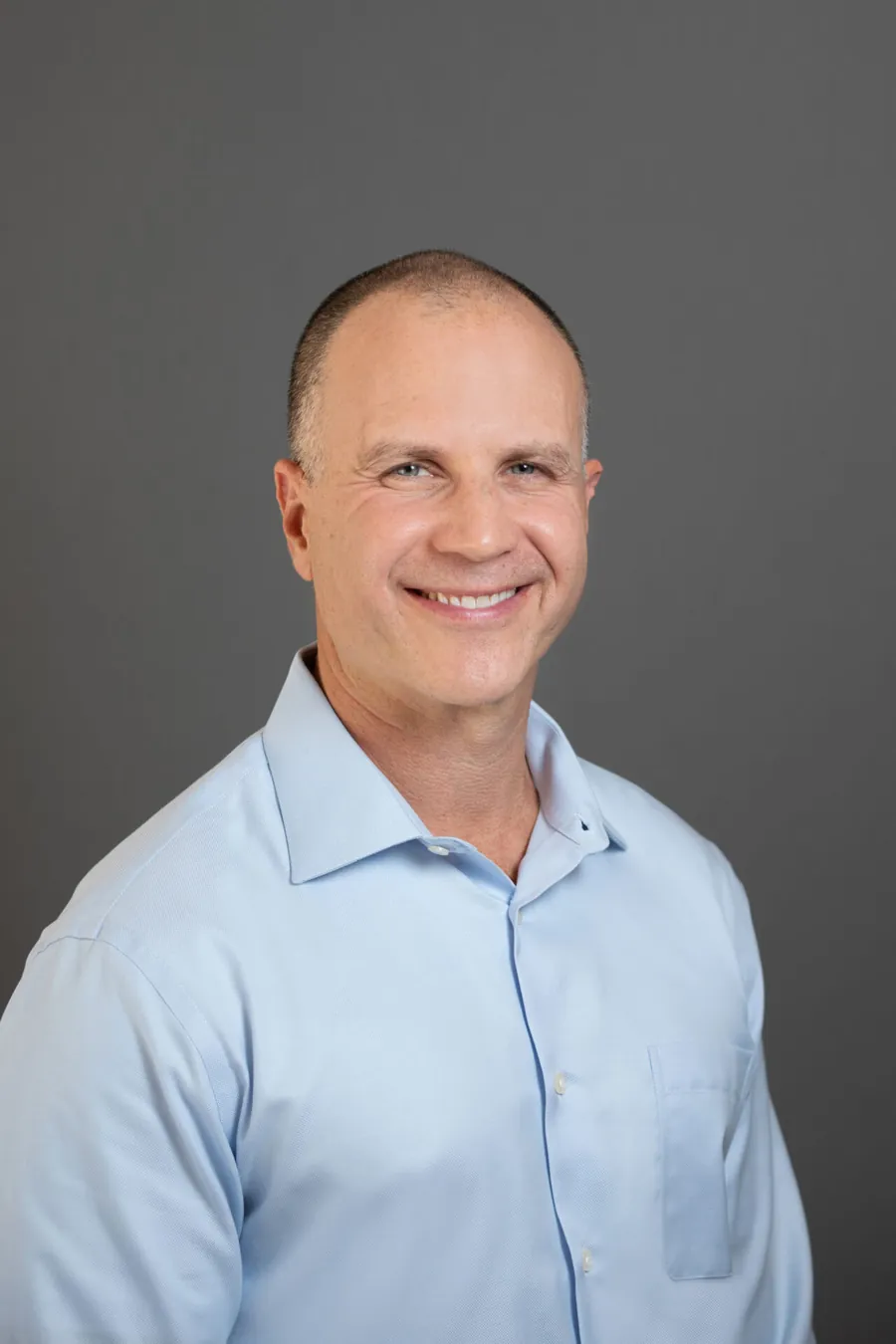
As a high school football player, Dr. Larry Arbeitman took numerous hits that left him with neck pain every time he turned his head. Regular adjustments did not make a difference. A classmate suggested he see an upper cervical chiropractor in Atlanta, and after one upper cervical alignment it was clear this scientific technique would be the focus of his practice.
“We use an x-ray to measure the position of the vertebrae to exactly one-hundredth of a degree before applying a gentle controlled force,” he explains. “I treat my patients as if they are family.”
- Founded Upper Cervical Chiropractic of Monmouth in 2005
- Magna Cum Laude, second in his class, Logan College of Chiropractic
- B.S. in Kinesiological Sciences, University of Maryland at College Park
- Member, Association of New Jersey Chiropractors
- Co-author of The Gift of Hope with Dr. George Gertner

Discover hope for healing.
The Gift of Hope: The Path to Healing Through Upper Cervical Chiropractic, by Dr. Larry Arbeitman and Dr. George Gertner.
Inside the book:
- Why pain is a warning light. And why covering it up with medication does not fix the cause.
- How your body works. Your spine and nervous system, explained in plain language.
- What makes upper cervical care different. Spinal correction without surgery, popping, twisting or cracking.
- Our patients speak. Real stories from people who have been through it, in their own words.
Get your free copy
Questions, answered.
Still wondering? Call or text us at 732-617-9355.
What is QSM3 chiropractic?
Does a QSM3 adjustment crack or hurt?
How is QSM3 different from NUCCA?
Why do you take X-rays before and after a correction?
What is thermography and surface EMG?
Who can receive QSM3 care?
From the blog.

QSM3 vs NUCCA Chiropractic: A Gentle Approach to Spinal Health
Patients often ask, “What’s the difference between the two Upper Cervical Methods, Quantum Spinal Mechanics 3 (QSM3) and NUCCA (National Upper...
Read article
How long does it take for QSM3 upper cervical chiropractic to work?
When you’re in pain, one of your biggest questions is: When will the pain stop? We understand. Countless patients come to our Monmouth County, NJ...
Read article
Do Chiropractic Adjustments Hurt?
Is Chiropractic Care Safe? It’s completely natural to feel cautious or skeptical if you’ve never been to a chiropractor before. Upper cervical...
Read article
See what gentle feels like.
Book your first visit online, or call or text us at 732-617-9355.