

Whiplash

Whiplash and car accident care

A gentle way to check and correct the top of your neck after a collision, a fall or a sports injury.

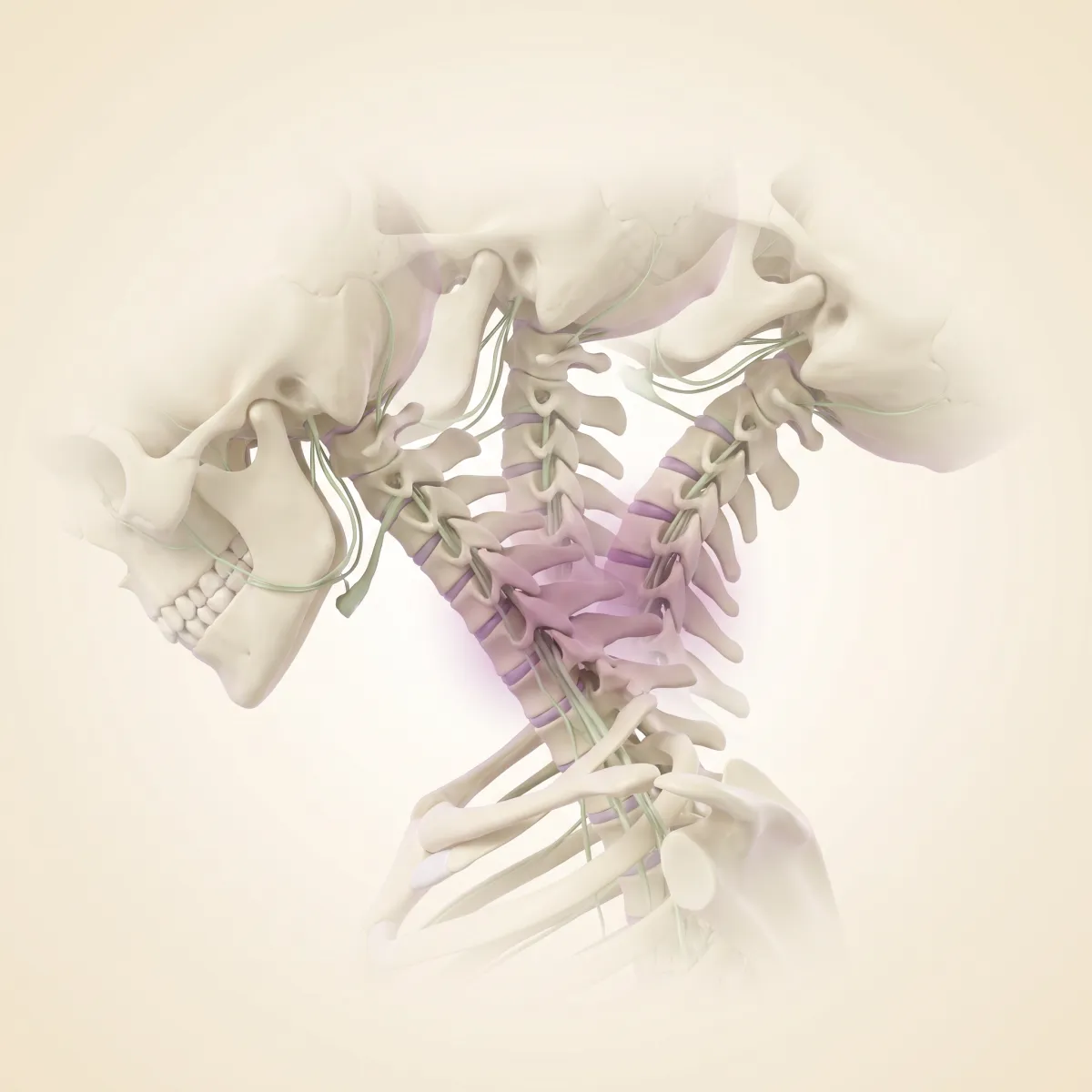
Illustration: the anatomy involved in whiplash123
Inside the body

Where the upper neck comes in

The top two bones of the neck sit right where the brainstem meets the spinal cord. Here is what is involved in whiplash.

  1. 1

    Thrown forward

    In a collision the head is whipped forward first.

  2. 2

    Then backward

    Then it snaps back, all in a fraction of a second.

  3. 3

    The neck takes the force

    Ligaments and joints of the neck absorb that motion, including the top two vertebrae.

A car accident does not have to be dramatic to hurt your neck. When your head whips forward and back, the muscles, tendons and ligaments in your neck can overstretch or tear. Symptoms may show up a few hours later, or even days later. We check the top of the neck gently after whiplash, with no twisting, turning or popping.

What is whiplash?

Whiplash is the common name for an injury to the soft tissues of your neck. Your neck is built from muscles, tendons and ligaments that connect the cervical vertebrae, the bones of your neck. A sudden jolt that throws your head forward or backward can tear or overstretch those tissues. The injury that follows produces a range of symptoms known together as whiplash. It can affect the mid back and low back as well.

Car crashes are the most common cause. Contact sports like football or boxing can cause it too, and so can a slip and fall. Anything that jerks your head forward or backward can lead to whiplash, and it does not take much. A minor fender bender can be enough.

Symptoms to watch for

Neck painStiffnessBurning or pricklingLimited range of motionDizziness or vertigoHeadaches from the neckMigrainesBack painShoulder pain

Neck injuries can also affect how you feel day to day. After whiplash, some people notice irritability, fatigue, nervousness, trouble concentrating, searching for words, memory problems, sensitivity to light or poor sleep. Physical pain is stressful, and these changes are common. They are worth mentioning to your doctor.

Why the upper neck matters after an accident

The top two bones of your spine, the atlas and axis, sit where your skull meets your neck. This area is highly flexible, which also makes it more likely to shift out of place during whiplash, vehicle collisions, falls and sports injuries. Upper cervical care focuses on correcting a misalignment of the first or second vertebra, which can result from whiplash.

Trauma can tear the connective tissues that hold the spine in place. When that happens, the spine may shift out of alignment, leading to irregular movement patterns, compensations and compressions. Over time, that strain can add wear to the discs and joints. That is why an old neck injury, like whiplash or a fall, can leave effects long after the accident itself.

A strong shake or jolt can sometimes cause a concussion as well. If you hit your head, or you feel dazed, foggy or sluggish after the accident, read our concussion page. If dizziness is your main symptom, our vertigo page explains how the neck can be involved.

How we care for whiplash

QSM3 uses calculations and gentle contact at the top of the spine, so your doctor can make precise adjustments without popping, twisting or cracking. That matters after whiplash, because the care does not place extra strain on a neck that is already sensitive.

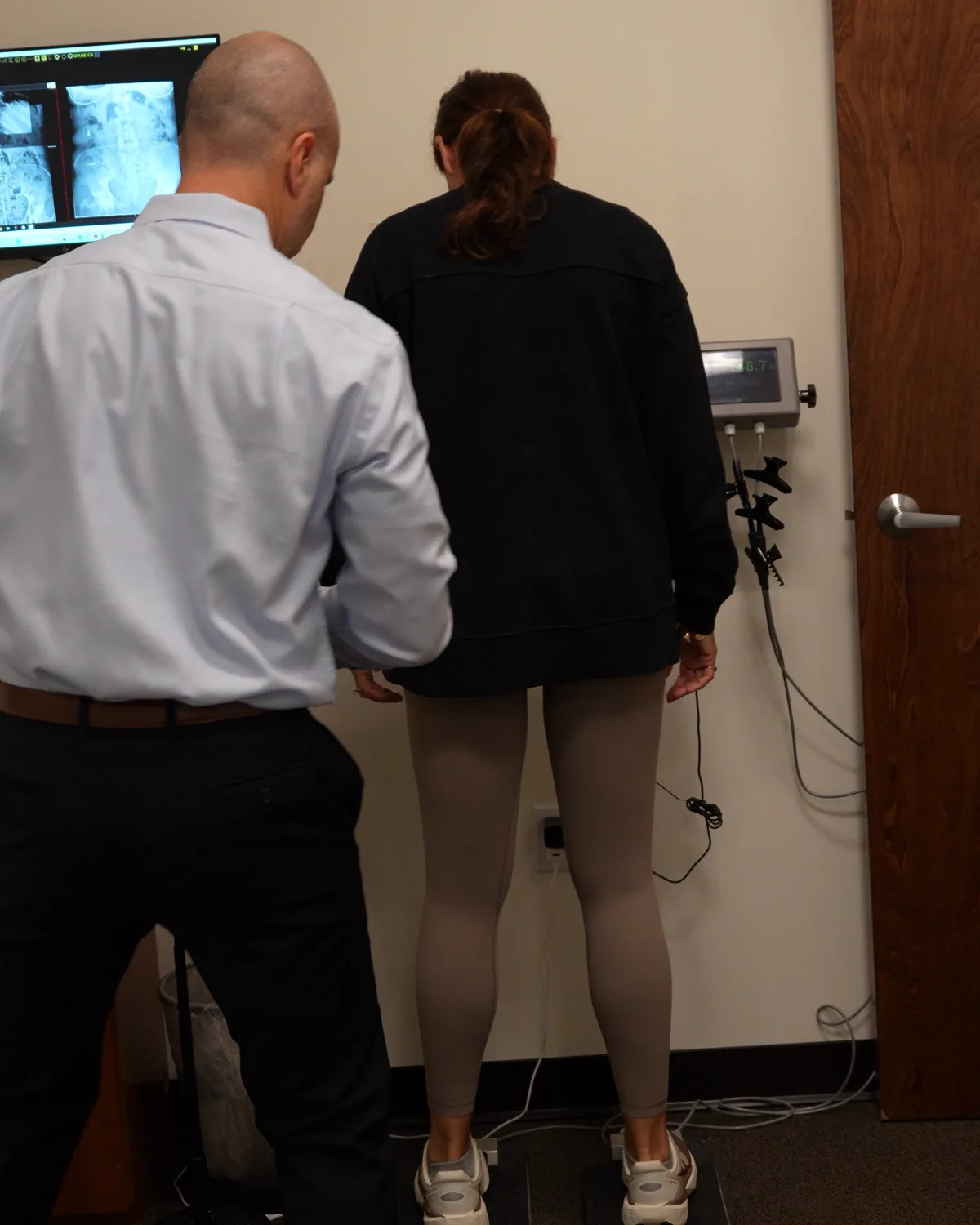
  1. Measure. We start with your history and the details of the accident, then a postural and neurological analysis. Laser-aligned X-rays, posture analysis, thermography and surface EMG show where your spine has shifted and how your nervous system is responding.
  2. Correct. Your doctor uses those measurements to make a precise, gentle correction at the top of the neck. Patients with recent trauma like whiplash may feel mild discomfort at first, so your doctor keeps the contact light and explains each step.
  3. Track. We measure again as your care continues, so you can see how your alignment is holding as your neck heals.
Bring what you have.If you had X-rays, an MRI or other imaging after the accident, bring it to your first visit so your doctor can review it.

Simple ways to cope at home

While you heal, a few small changes can take strain off your neck. Always ask your doctor or physician before starting any new exercise.

  • Ice first, then moist heat. Right after the injury, ice can help calm inflammation and pain. Once the first day has passed, moist heat can help soothe sore muscles.
  • Stay gently active. Resting for a day is wise, but keeping your neck still for too long can leave it stiff and weak.
  • Raise your screen. Hold your phone or book up at eye level instead of bending your neck down to it.
  • Carry less. Take extra trips with the groceries rather than loading up, and keep your chin down when you lift.
  • Sleep on your side or back. Use a pillow that keeps your neck in a neutral position.
  • Calm your mind. Getting hurt is stressful. A few minutes of slow breathing or a quiet walk each day can help.

When to see your doctor first

After any accident, get checked by a physician or an emergency room first if you hit your head and your symptoms are getting worse, you lost consciousness, you feel confused or keep vomiting, you have numbness with weakness in your arms or legs, or you lose bladder or bowel control. If your pain disrupts your life or does not ease in a few days, get checked by a medical professional as soon as possible. Once serious injury is ruled out, we are glad to help.

Questions about whether our care is right for you after an accident? Call or text us at 732-617-9355. You can also read our neck pain page.


Dr. Larry Arbeitman
Medically reviewed byDr. Larry Arbeitman, DCFounder, Upper Cervical Chiropractic of Monmouth
You are not alone

From living with it to looking for the cause

Someone living with whiplash
Living with whiplash
  • Neck pain
  • Stiffness
  • Burning or prickling
  • Limited range of motion
  • Dizziness or vertigo
  • Headaches from the neck
Getting back to the things you love
How we help
  • Precise measurements of your upper neck before any care begins
  • A gentle correction with no cracking, popping or twisting
  • Your progress re-checked as you heal, so you can see what is changing
A gentle visit at Upper Cervical Chiropractic of MonmouthAt our Morganville office
What your visit looks like

Measured first, gentle always.

  • MeasureLaser-aligned X-rays, posture analysis and painless nerve scans.
  • CorrectA gentle touch on the first vertebra in the neck.
  • TrackPost-correction X-rays and re-checks as you heal.
Patient stories

Real people. Real relief.

GaryNeck pain
Patient storyNeck pain and mobility
PattyHer chiropractic story
MikeSevere back pain
LaurieMigraines
CarleenMeniere's, vertigo and neck pain
GregSciatic pain
WarrenEleven years of care
Google Reviews
4.9
290 Google reviews

Real reviews from patients at our Morganville office, in their own words.

Read our Google reviewsSee 20 patient stories on neck pain
★★★★★
I have been a patient at Upper Cervical practice for 15 years. I suffered with migraines for many years. Since becoming a patient I have been migraine free. It has given me the ability to travel without the fear of getting a headache and being sick for hours!
RRhona DMigraines
★★★★★
I have been going to Dr. Arbeitman for years. I suffer from trigeminal neuralgia (face pain). His adjustments have lowered the pain so much that I have been able to discontinue the pain medications that I was on before I went to him. His office staff is very welcoming and efficient.
CCarol MTrigeminal neuralgia
★★★★★
I been having very bad pain in my neck for 10 months and a friend told me to try it I had tried regular chiropractic and acupuncture nothing helped First when you go you think this is a joke but after a few treatments you start to feel so much better great staff and very good doctors
JJimmy TNeck pain
★★★★★
I went to Dr. Larry with numbness and tingling in my left hand. I would wake up at night with the pain from my left hand. I am no longer in pain at night. The fingers are so much better. The manipulations are gentle and soothing.
VValNumbness and tingling in the hand
★★★★★
I always had a great experience at Upper Cervical. Dr A was the first Dr. that was able to help me in all the years I have been trying to get relief from my daily headaches and migraines. I would definitely recommend him and his team.
KKimberly HHeadaches and migraines
★★★★★
Dr. Arbeitman has helped me a great deal with all of my back pain. It’s amazing how much better I feel after a treatment. I would highly recommend him to anyone dealing with back pain
JJean CBack pain
★★★★★
Thanks to my treatment at Upper Cervical Chiropractic my pain from lifelong migraines is almost nonexistent!
MMarie GLifelong migraines

Shared with permission. Individual results vary.

Good to know

Questions, answered.

Still wondering? Call or text us at 732-617-9355.

Should I see a chiropractor after a car accident?
See a physician first to rule out fractures, a head injury or other serious damage. After that, an upper cervical check can show whether the accident shifted the top of your neck. Our care is gentle and adds no extra strain to an injured neck, so many patients start it while they are still sore.
How long after a car accident can whiplash symptoms appear?
Whiplash can start causing symptoms a few hours after the accident, and some cases take days to show up. That is why it helps to get checked even if you felt fine at the scene.
Can whiplash cause dizziness or headaches?
Yes. Along with neck pain and stiffness, people with whiplash can have dizziness or vertigo, headaches that come from the neck, migraines, and back or shoulder pain. Our vertigo and migraine pages explain how the upper neck may be involved.
Is upper cervical care gentle enough for a fresh neck injury?
Our QSM3 corrections use gentle contact with no popping, twisting or cracking, so they do not add strain to a sensitive neck. Patients with recent trauma may feel mild discomfort at first, and your doctor will keep the contact light and explain every step.
Can an old whiplash injury still cause problems years later?
It can. Trauma can tear the connective tissues that hold the spine in place, and the misalignment that follows can lead to compensations and wear over time. An old neck injury can leave effects long after the accident, which is why we ask about past collisions and falls at your first visit.
What should I bring to my first visit after an accident?
Bring any X-rays, MRI reports or other imaging taken after the accident, plus a list of your symptoms and when they started. Your doctor will review it all alongside our own measurements.

Get your neck checked after a crash.

Book your first visit online or call or text us at 732-617-9355.